Unlocking Creativity: How Sandbox Games and HTML5 Games are Revolutionizing Interactive Play
In the ever-evolving landscape of video games, sandbox games and HTML5 games are emerging as transformative forces that reshape the way players interact and create. From the vibrant worlds of sandbox games to the accessibility of HTML5 games, these interactive platforms invite users to explore and engage in new dimensions of play. This article dives deep into how these genres are revolutionizing gaming, unlocking creativity, and connecting players globally.
The Rise of Sandbox Games
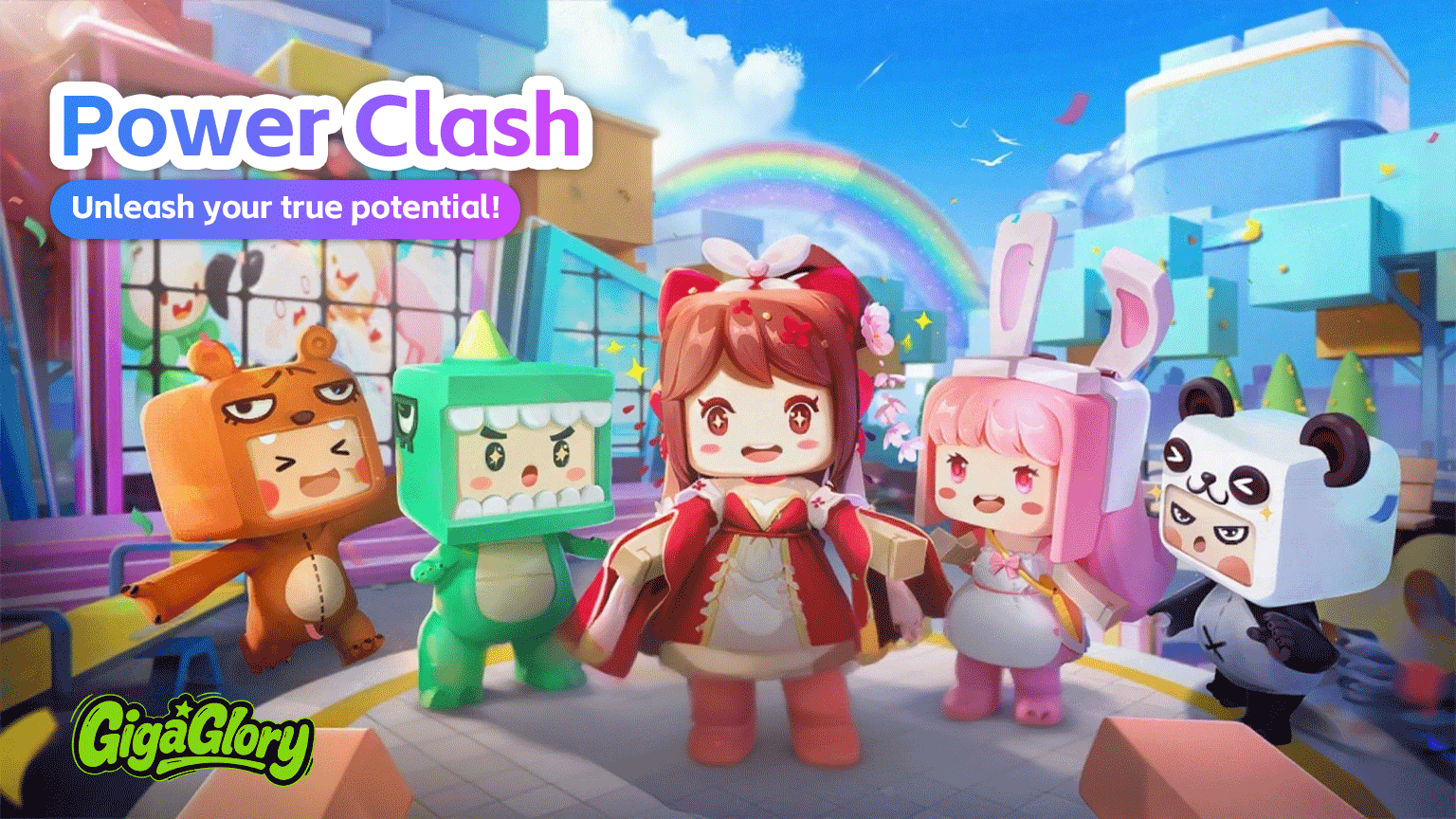
Sandbox games are characterized by their open-world design, allowing players to explore at their own pace. This genre encourages creativity, imagination, and often collaboration among users. Titles like Minecraft have taken the gaming community by storm, offering a platform where users can build, share, and redefine their gaming experience.
- Player-Driven Creation: In sandbox games, you create your own rules. Players can construct anything from simple houses to complex cities.
- Community Interaction: These games offer multiplayer features that enhance cooperation and competition, making social interaction a crucial aspect.
- Thinking Outside the Box: Sandbox games empower players to think creatively. Players can design their own scenarios leading to unique gameplay experiences.
HTML5 Games: Bridging Accessibility and Fun
HTML5 games are browser-based games that do not require additional plugins. This accessibility allows a wider audience to participate in gaming activities. As net connectivity improves globally, especially in regions like Hungary, these games are becoming increasingly popular.
| Advantages of HTML5 Games | Description |
|---|---|
| Accessibility | No need for downloads or installations; players can jump in instantly. |
| Cross-Platform | Compatible with various devices, ensuring a seamless experience on smartphones, tablets, and PCs. |
| Easy Updates | Game updates are immediately available, providing players with the latest features without hassle. |
The Connection Between Sandbox and HTML5 Games
When sandbox mechanics meet HTML5 technology, the player experience is elevated. Imagine playing sandbox games like Roblox, where users not only play but also create their own games directly in the browser! This synergy encourages a sense of ownership and community.
Many HTML5 games incorporate sandbox elements, giving players more freedom in gameplay. Whether it's constructing a fortress or designing their character, the creative options are almost limitless.
Play Online: The Social Aspect of Gaming
In today's gaming culture, playing online facilitates a social ecosystem. It's not just about playing; it's about sharing experiences. Games like Clash of Clans highlight the importance of strategy and collaboration. Players can build their clans, engage in battles, and share tactics online.
- Community Building: Online platforms enable players to interact, strategize, and build social groups around common interests.
- Global Competitiveness: With online functionalities, competition can be on a global scale. Buildings armies and engaging in clan wars require strategic thinking.
Exploring Survival Horror in Sandbox Paradigms
Among the vast universe of gaming, the list of survival horror video games has made notable strides by integrating sandbox elements. Games like Valheim allow players to explore, build shelters, and survive together in a shared environment. This blending offers a fresh take on horror, where players must work together to overcome threats.
Key Points to Remember
- Sandbox games foster creativity and allow players to shape their gaming experiences.
- HTML5 games are making gaming more accessible, reaching broader audiences.
- Combining elements from both genres enhances social interaction and community engagement.
- Survival horror is evolving thanks to sandbox mechanics, presenting unique challenges.
Conclusion
The rise of sandbox games and HTML5 games signifies a shift in the gaming paradigm, where creativity and accessibility are paramount. Players are no longer just consumers; they are creators, strategists, and collaborators in these interactive worlds. As technology continues to advance and online connectivity improves, the possibilities for innovation in gaming seem endless. Embracing these changes is essential for developers and players alike, ensuring that creativity and fun remain at the forefront of interactive play.